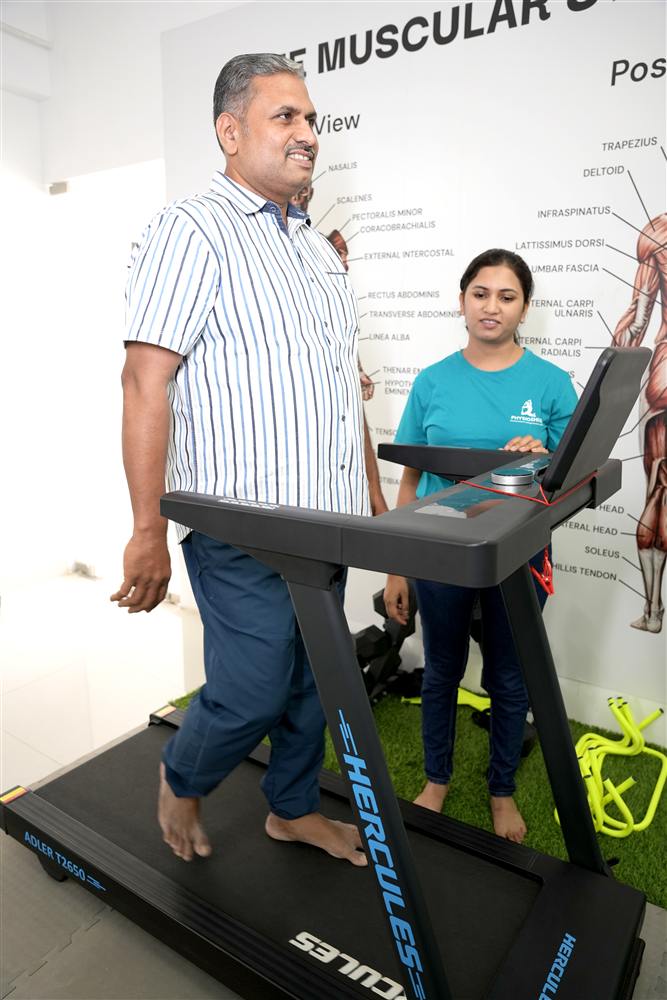
1. What is Parkinson's Disease?
Parkinson's Disease is a condition that affects the brain cells that produce dopamine, a chemical that helps control smooth and coordinated movement. When these cells become weak or die, movements become slower and stiffer.
Parkinson's develops slowly and affects each person differently.
2. Common Symptoms
Motor (movement) symptoms
- Tremors (shaking), usually when resting
- Slow movement (bradykinesia)
- Stiffness in muscles
- Balance problems and risk of falling
- Shuffling walk or difficulty starting to walk
- Freezing (sudden stop while walking)
Non-motor symptoms
- Tiredness and low energy
- Sleep problems
- Constipation
- Low voice volume
- Mood changes (anxiety or depression)
3. How Can Physiotherapy Help?
Physiotherapy helps you stay active, safe, and independent for as long as possible. Regular, guided exercise has been shown to slow down the progression of movement difficulties.
Physiotherapy can help you:
- Walk better with longer, safer steps
- Improve balance and reduce falls
- Loosen stiff muscles
- Increase strength and endurance
- Improve posture
- Reduce freezing episodes
- Feel more confident in daily tasks
4. What Exercises Are Helpful?
- A. Walking Training
- B. Balance Exercises and Fall Prevention
- C. "Big Movements" Training — helps overcome slowness by exaggerating movement size
- D. Flexibility & Stretching
- E. Strengthening
- F. Aerobic Exercises
- G. Breathing & Relaxation
5. Tips for Daily Living
- Use visual cues, like lines on the floor, to help start walking
- Avoid clutter to prevent falls
- Move slowly when changing positions
- Break tasks into small steps
- Stay physically active every day
- Do exercises consistently, even on "slow days"
- Use supportive footwear
- Ask for help when needed
6. When to See a Physiotherapist
You should consult a physiotherapist if you experience:
- Frequent balance loss or falls
- Difficulty walking or freezing
- Increased stiffness
- Reduced mobility
- Trouble with daily tasks
- Fear of moving